
Get a Bitcoin wallet
You need a Bitcoin wallet to store certain data that will be required for you to transfer bitcoins. The Bitcoin wallet is a software program that you download and install on your device, e.g. your computer, tablet or smartphone. If you don’t want to store it on your own device, you can instead turn to one of the many companies online that will let you keep your Bitcoin wallet on one of their servers. A third option is to use a hardware wallet – a Bitcoin wallet that is kept separate from your everyday computer or mobile device. This option is a bit more cumbersome, but in certain ways also safer. It is for instance much more difficult to hack a USB kept in your safe than to hack the laptop that you use for gallivanting around the web.
Bitcoin wallet on your own device
Bitcoin wallets are available for various operating systems, including Windows, Mac OS, Linux, Android, iOS, and Windows Mobile.
Example of sites that offer Bitcoin wallets for most computers are BitGo, Bither, MultiBit HD, Green Address, Bitcoin Core, Copay, and mSIGNA.
If you are looking for a Bitcoin wallet for a mobile device, check out Bither, Copay, Airbitz, or Green Address for a wide range of options. Mycelium, Coinomi, and GreenBit so far only have for Android, while Breadwallet if focused on iOS. Copay is one of the few places to get a Bitcoin Wallet for Windows Mobile.
Bitcoin wallet on someone else’s server
Examples of available providers:
- Xapo
- Green Address
- Coinkite
- BitGo
- Coinapult
- Circle
Hardware Bitcoin wallet
This can be as cheap and basic as printed sheets of paper or a non-descript USB and as fancy as the physical Bitcoin wallets sold by vendors such as Ledger Nano and KeepKey.
Step-by-Step Guide: How to Buy & Sell Bitcoin (BTC)
Operational execution roadmap comparing acquisition, order execution & fiat liquidation
| Stage | Buying Bitcoin (Fiat → BTC) | Selling Bitcoin (BTC → Fiat) |
|---|---|---|
| 1 Account & Access |
Onboarding Register with a regulated spot exchange (e.g., Coinbase, Kraken, Bitstamp). Complete mandatory KYC verification (photo ID and proof of residence) and activate hardware or app-based 2FA (authenticator app). |
Preparation Log in to your verified exchange account. Verify that your withdrawal bank account (SEPA, ACH, or wire) is actively whitelisted to avoid fraud-check holds when repatriating fiat. |
| 2 Funding & Deposit |
Fiat Inflow Deposit fiat currency (USD, EUR, GBP) via bank transfer (SEPA/ACH) for minimal fees. Avoid debit or credit cards for major sums, as card processing fees typically range between 2% and 4%. |
Asset Inflow If your Bitcoin is in a self-custody wallet, generate a BTC deposit address on the exchange. Send a test transfer or confirm network fees before transferring your full balance; wait for 1–3 on-chain confirmations. |
| 3 Order Execution |
Buy Order Use the exchange order book interface rather than the “Instant Buy” widget to minimize spread markups. Place a Limit Order below market price for maker fee discounts, or a Market Order for immediate fills. |
Sell Order Navigate to the BTC/USD or BTC/EUR trading pair. Select a Limit Order to lock in your minimum acceptable exit price without slippage, or a Market Order to convert immediately to cash balance.
|
| 4 Settlement & Custody |
Securing Coins Once filled, withdraw funds intended for long-term holding to a non-custodial hardware wallet (Ledger, Trezor, Coldcard). Adhere to the core rule: “Not your keys, not your coins.” |
Fiat Withdrawal Navigate to the exchange fiat wallet and request a withdrawal to your linked bank account. Bank wire/SEPA transfers typically clear within 1 to 2 business days. |
| 5 Reporting & Compliance |
Cost Basis Record the purchase date, timestamp, exchange rate, transaction fees, and exact amount of satoshis acquired to establish your legal cost basis. |
Tax Event Selling BTC for fiat constitutes a taxable event in most jurisdictions. Calculate capital gains or losses (Sale Proceeds − Cost Basis) and preserve the trade receipt for annual tax filings. |
Obtaining Bitcoins
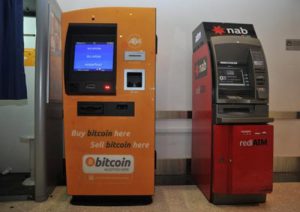
There are many different ways of obtaining bitcoins. Here are a few examples:
- Go to a marketplace online and buy bitcoin there. Most marketplaces will accept payment in USD or EUR, but some also accept other currencies, including certain cryptocurrencies.
- Contact a private owner directly and make a transaction without involving a marketplace. There are many online forums where deals like this are struck. As always, you need to have your wits about you regarding the possibility of fraud.
- Sell something (goods or service) and accept payment in bitcoin.
- Buy from a Bitcoin machine (“Bitcoin ATM”). Coinatmradar.com is one example of a site that lists such machines.
- Since 2014, the Boston-based bank named Circle allow for USD deposits made in the United States to be converted into bitcoins.
Having your Bitcoin in a trading account
If you are trading in bitcoins on a market site online, you are probably storing bitcoins with them. This comes with certain risks that it is important to be aware of. There have been several instances in the past where traders have lost their bitcoins, or have had severe difficulty in accessing them when a trading platform has experienced trouble or carried out fraud / embezzling.
Don’t put all your eggs in one basket, at least not if you have more than a few eggs to lose.
This article was last updated on: September 14, 2026